
Elevate Your Events in 2026: A Practical Guide to Using Smart Technology
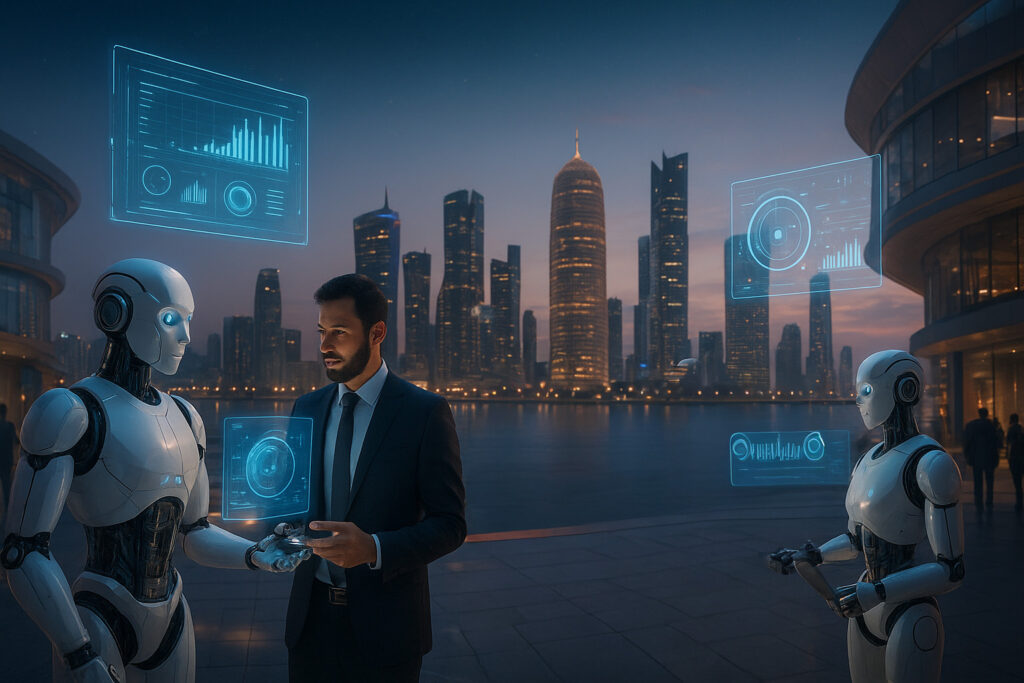
Smart technology has moved from trend to essential toolkit in the events industry. What began as optional add-ons a few years ago is now shaping how planners organise, market, and deliver experiences. In 2026, the advantage doesn’t come from replacing people with machines — it comes from using technology to support the human side of events: creativity, connection, and personalisation.
Today’s event teams are using intelligent tools to lighten workloads, improve efficiency, and create more meaningful interactions for attendees. Here’s how smart technology is reshaping the landscape, and how planners in Qatar and beyond can adopt it confidently and responsibly.
The State of Smart Tech in Events
Across the industry, digital tools have become part of everyday operations. While levels of adoption vary, planners generally agree on three things:
1. Automation Reduces Manual Work
Routine processes — like schedule planning, reminders, budget tracking, and follow-ups — can now be handled automatically by planning platforms and workflow tools.
2. AI Improves Decision-Making
From predicting peak registration times to analysing engagement trends, event software is now capable of surfacing insights that help planners make stronger, data-driven decisions.
3. Attendees Expect Personalised, Digital-First Experiences
Delegates increasingly prefer events that offer tailored content, efficient navigation, and quick access to information.
These shifts are not future predictions—they are being felt across conferences, exhibitions, entertainment events, and corporate gatherings today.
Real Impact: How Organisations Are Using Smart Tools
The practical value of smart technology is becoming clearer each year:
- Customer support chatbots now handle common attendee questions instantly, reducing the load on event teams.
- Unified event management systems help planners coordinate suppliers, sessions, budgets, and attendees in one place.
- AI-assisted communication tools write drafts, create assets, or summarise discussions—saving hours normally spent on manual content creation.
- Predictive analytics help organisations understand what formats, timings, or topics resonate most with their audience.
Instead of replacing humans, these tools expand what teams can accomplish with the same resources.
Smarter Planning and Delivery
Event planning has traditionally been detail-heavy. Smart technology simplifies this through:
- Automated Scheduling & Logistics – planning platforms generate timelines, organise supplier data, and help teams avoid overlaps and bottlenecks.
- Faster Guest Management – digital check-in systems and badge printing streamline entry, reduce queues, and improve the welcome experience.
- Adaptive Event Formats – hybrid tools tailor virtual or in-person elements based on expected engagement.
- Intelligent Venue Discovery – platforms with event-specific datasets recommend venues that match guest numbers, budgets, capacities, and accessibility needs.
Pre-Event Automation
Teams are increasingly adopting tools that:
- Build targeted outreach lists using publicly available business data.
- Generate presentation drafts in minutes.
- Personalise meeting recommendations before the event.
- Automate reminders for attendees and sponsors.
These tools reduce administrative time while ensuring more accurate, consistent communication.
Smarter Content & Engagement
Content is no longer just about volume — it’s about relevance and speed.
- AI Content Support – produce summaries, visual assets, scripts, and branded materials faster, ensuring campaigns stay on schedule.
- Networking Intelligence – matchmaking tools recommend sessions, exhibitors, or meetings based on each attendee’s interests.
- Multimedia Production – voiceover tools, automated video editing platforms, and dynamic design apps make professional visuals accessible.
- Short-Form Video – social platforms reward short, high-impact content; planners are shifting to 15–30 second clips for maximum engagement.
Enhancing Attendee Experience & Accessibility
Some of the biggest gains from smart tech are felt directly by participants:
- Personalised agendas based on interests or behaviour.
- Live captioning and translation for multilingual audiences.
- Smart navigation tools to guide guests through large venues.
- 24/7 virtual assistants for schedule, session, or venue queries.
- Tools supporting neurodiverse and accessibility-friendly design.
These features help ensure events feel welcoming and intuitive to all attendees, regardless of their needs or language.
How to Start Your Smart Tech Journey
A phased approach works best:
- Start Small – use AI for drafting emails, creating visuals, or generating social content.
- Automate Key Touchpoints – chatbots, registration workflows, and post-event surveys can run automatically.
- Experiment With Content Creation – try tools that produce slides, videos, or event summaries.
- Look at Your Data – use analytics from your ticketing or CRM platform to understand what worked and why.
- Focus on Attendee Value – choose technology that enhances the participant experience rather than adding complexity.
Looking Ahead
Smart technology will continue expanding in the following areas:
- Sustainability tracking integrated into planning tools.
- Real-time agenda adjustments based on live engagement.
- AI co-creation for themes, design concepts, and content.
- Mixed reality experiences that merge virtual and physical elements.
- Clear ethical standards around data and AI use.
The future of events won’t be purely digital—it will be more human, supported by technology that works quietly in the background.
Final Thoughts
Smart technology is transforming events from the inside out. It accelerates planning, boosts efficiency, unlocks creative possibilities, and strengthens what matters most: human connection.
We also help brands and organisers create smarter, data-driven events with the support of the QatarVenues team, ensuring your event is flawlessly planned, personalised, and impactful.
Planners who adopt technology thoughtfully and gradually will be well positioned to deliver experiences that are more inclusive, more memorable, and smarter than ever before.

